Baby Fugg: Tiny Size, Full-Scale Collector Chaos
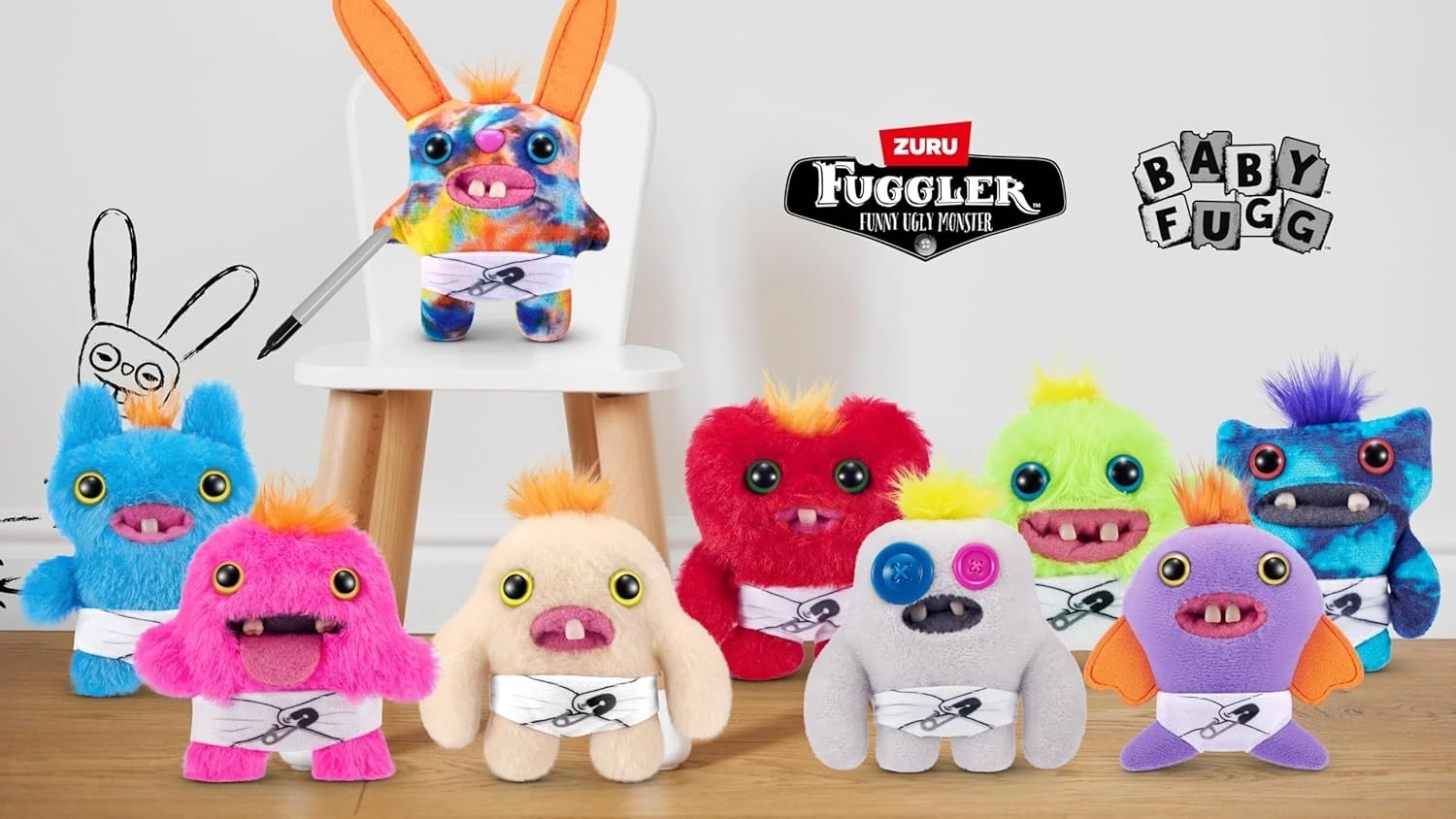
Baby Fugg releases may look smaller and cuter, but collecting them can be just as strategic as collecting full-size lines. These mini troublemakers are popular because they are easy to display, easy to gift, and surprisingly deep when you track waves, names, and variants over time.
If you are new to this category, think of Baby Fugg as a compact collection system: manageable entry price, strong personality per character, and enough series depth to keep long-term collectors engaged.
How Collectors Usually Track Baby Fugg Waves
Search behavior around Baby Fugg is highly series-driven. Instead of only asking "where to buy," collectors often ask which wave a figure belongs to, what names appear in that wave, and whether a specific variant is part of standard release or special assortment.
In practical terms, collectors typically organize Baby Fugg by: release wave, character name, color family, and packaging condition. This method makes future upgrades and duplicate management far easier.
Series Progression (Wave Mindset)
Early Waves
Early Baby Fugg waves are often treated as foundation sets. They help define naming style and establish the visual baseline for later mini formats.
Mid Waves
Mid-era waves usually expand variety and push personality differences harder. This is where many collectors start moving from casual purchases to intentional set planning.
Recent Waves
Newer waves often spark discussions around complete name lists for that release cycle. Collectors tracking the latest wave names tend to be completion-focused and detail-oriented.
Names, Variants, and Why They Matter
Character naming is a core part of Baby Fugg collecting identity. People searching for "Baby Fugg names" are usually trying to verify ownership, map missing characters, or avoid duplicate buys in mixed lots.
Name tracking also improves resale clarity and community trading. A clean "name + wave + condition" note is often more useful than a vague listing title.
Pinkles and Special-Interest Mini Themes
Pinkles-themed chatter appears frequently in mini-format collector circles. In many cases, these are not just impulse buys but accent pieces for color-themed shelves. If your collection plan includes pink-focused or novelty-focused arrangements, this branch can add strong visual contrast.
Collector Checklist for Baby Fugg
- Record each character with wave and name in one simple tracker.
- Separate sealed-display pieces from loose-desk pieces.
- Confirm stitching, tags, and key details before buying mixed bundles.
- Build by mini-theme to keep shelves coherent as your count grows.
FAQ
Are Baby Fuggs suitable for very young children?
Check official product labeling and age guidance for your region before gifting.
How do I track Baby Fugg wave names efficiently?
Use a simple spreadsheet with columns for name, wave, format, and condition.
Do I need complete wave sets to be a serious collector?
Not at all. Many strong collections are curated by theme or favorite character style.
Wave Tracking Best Practices
Baby-format collecting gets easier when your notes are clean. Use one line per item with name, wave, color variant, condition, and where you found it. This avoids duplicates and helps you spot real gaps in your checklist.
- Separate confirmed wave releases from uncertain seller labels.
- Save one reference photo per owned character for quick verification.
- Mark “upgrade targets” so you know which pieces to replace later.
- Track mini-format and keychain-format in separate tabs.
Advanced Baby Fugg Collector Depth
Baby-format collecting looks simple at first, but long-term quality depends on how well you separate wave data, condition data, and display intent. The framework below helps collectors reduce duplicates, avoid mislabeled listings, and build cleaner mini shelves over time.
Wave Logic Before Buying
- Lock one wave target first before expanding to mixed-wave lots.
- Use names as your primary index, not color alone.
- Document uncertain listings as “pending” until verified.
Condition Rules for Minis
- Check tiny seam integrity around face and edge joins.
- Review tags and key visual points in close-up photos.
- Treat mixed-bundle wear as a separate risk category.
Display Architecture
- Build by wave, then by accent color for cleaner storytelling.
- Keep one “core row” and one “rotation row” for flexibility.
- Avoid overloading one shelf with similar tone variants.
For new collectors, the fastest way to improve quality is to define one standard and repeat it: same naming format, same photo checklist, same condition thresholds. Consistency transforms mini collecting from random accumulation into a documented collection system.
If you trade frequently, add one more field to each entry: exchange confidence. Mark every piece as high, medium, or low confidence based on listing clarity and condition evidence. This simple score makes trade decisions faster and reduces emotional over-trading when a new wave appears.