Laboratory Misfits: The Color-Chaos Lineup Collectors Keep Tracking
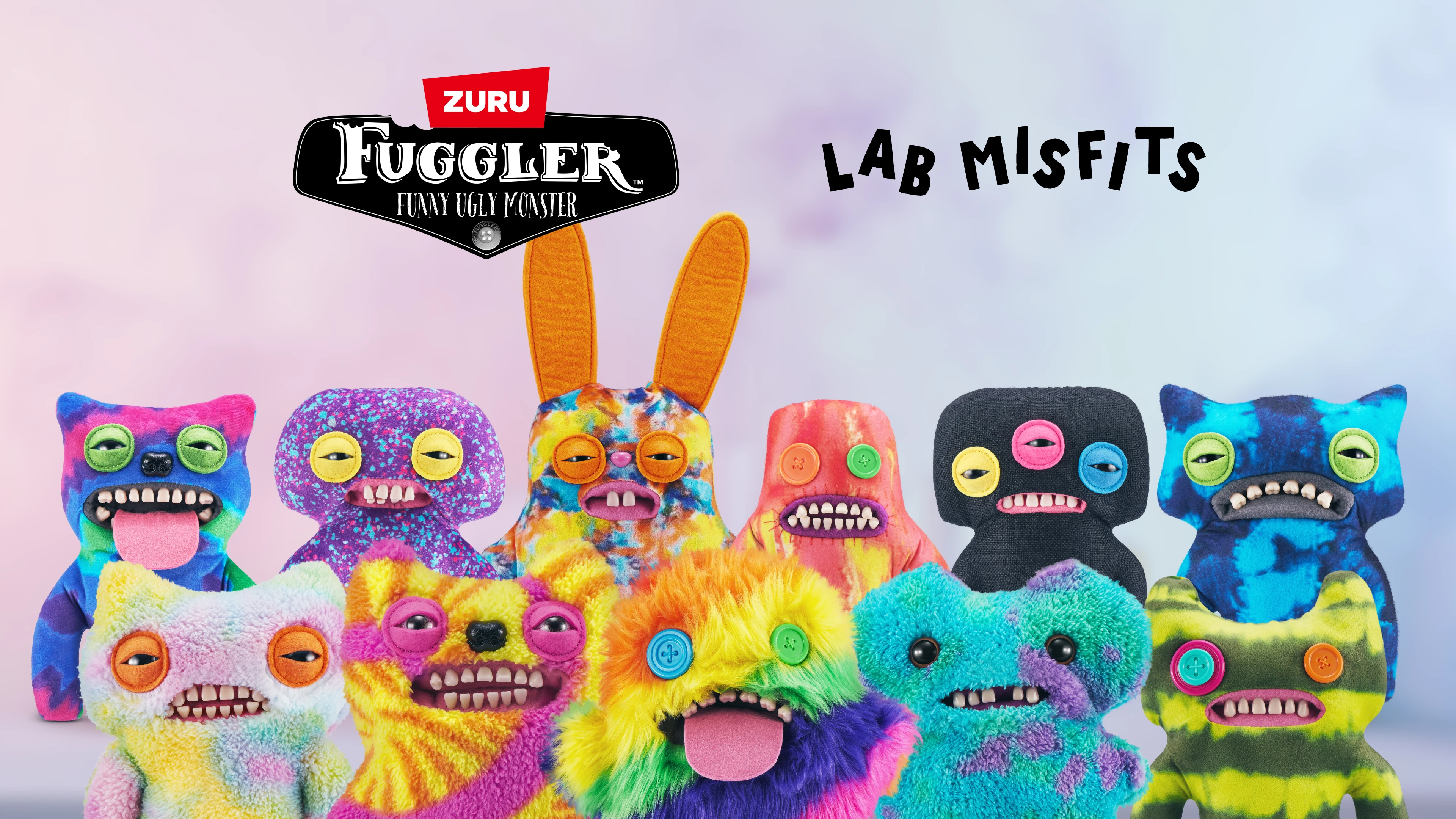
Laboratory Misfits is one of the most character-driven Fuggler branches. It keeps the classic funny-ugly monster identity but pushes color, markings, and escaped-experiment styling harder than many standard lines.
Search demand around this series is highly specific. Instead of generic browsing, collectors often look for exact character names, pack format clues, and variant confirmation before they buy.
Why This Series Gets Name-Level Search Interest
In many toy lines, buyers search by category first. In Laboratory Misfits, they often search by character immediately. That behavior signals a mature collector base focused on completing named sets rather than grabbing random pieces.
It is common to see recurring attention around characters such as Munch Munch, Oogah Boogah, Gaptooth McGoo, and Rabid Rabbit. These names are often used as checklist anchors in collector discussions.
Character-Focused Collecting Approach
Munch Munch and Oogah Boogah
These two are frequently used as entry picks for the series because they represent the playful, high-contrast lab aesthetic very clearly. If you are building a recognizable first pair, this route is practical.
Gaptooth McGoo and Rabid Rabbit
These are often targeted by collectors filling named gaps in near-complete sets. They also appear regularly in character-specific search trails and listing filters.
Pack Formats and Listing Interpretation
Some buyers look for multi-pack opportunities, including three-piece bundle discussions. If you are evaluating a bundle listing, check whether all characters are clearly identified and whether condition is consistent across pieces.
Terms like misfit monsters are sometimes used loosely across different branches, so verify that a listing is truly from the Laboratory Misfits line before finalizing.
Color and Variant Notes
Colorway chatter, including darker and black-leaning variants, often appears in community buying threads. Treat color references as directional unless verified by clear photos and item specifics. Small visual differences can come from lighting, release batch, or seller image quality.
How to Track Laboratory Misfits Efficiently
- Build a name-first checklist and mark owned/missing status.
- Store listing screenshots for comparison when prices fluctuate.
- Record condition notes for each character, not just each order.
- Separate confirmed Misfits listings from generic misfit wording.
FAQ
Is Laboratory Misfits a good line for beginners?
Yes, especially if you enjoy colorful designs and character-by-character collecting.
Should I buy singles or bundles?
Bundles can be efficient, but only if character identity and condition are clearly documented.
How do I avoid mislabeled listings?
Confirm line name, character name, and photos together before purchase.
High-Accuracy Checklist for Misfits
Name Verification
- Cross-check character names in title and photos.
- Flag mixed-series naming in bundle listings.
- Save one reference image per owned character.
Pack Verification
- Confirm all included pieces before checkout.
- Ensure condition consistency across bundle items.
- Record seller and source for future trade confidence.
Misfits Mastery: From Casual Picks to Controlled Completion
Laboratory Misfits collecting becomes far more efficient when you treat names, packs, and visual traits as separate decision layers. This prevents cross-series confusion and improves completion accuracy.
Name Layer
- Use a single naming standard in your tracker.
- Mark uncertain aliases in a separate notes field.
- Do not merge entries until photo evidence confirms identity.
Visual Layer
- Compare facial traits, pattern cues, and seam placement.
- Check lighting bias before deciding color variant labels.
- Save one “verified reference photo” per character profile.
Pack Layer
- Track singles and bundles in different inventory groups.
- Add condition score per item inside each bundle.
- Prioritize completion gaps instead of random pack deals.
A practical Misfits rule is “verify, then classify, then buy.” This sequence reduces mislabeled purchases and makes your checklist truly useful when market listings accelerate.
If your collection is nearing completion, switch to quality-optimization mode: replace weak-condition items first, preserve strongest character examples, and avoid over-expanding into uncertain variants unless evidence is clear.